
Dombivli East
08048074097
+919224564569
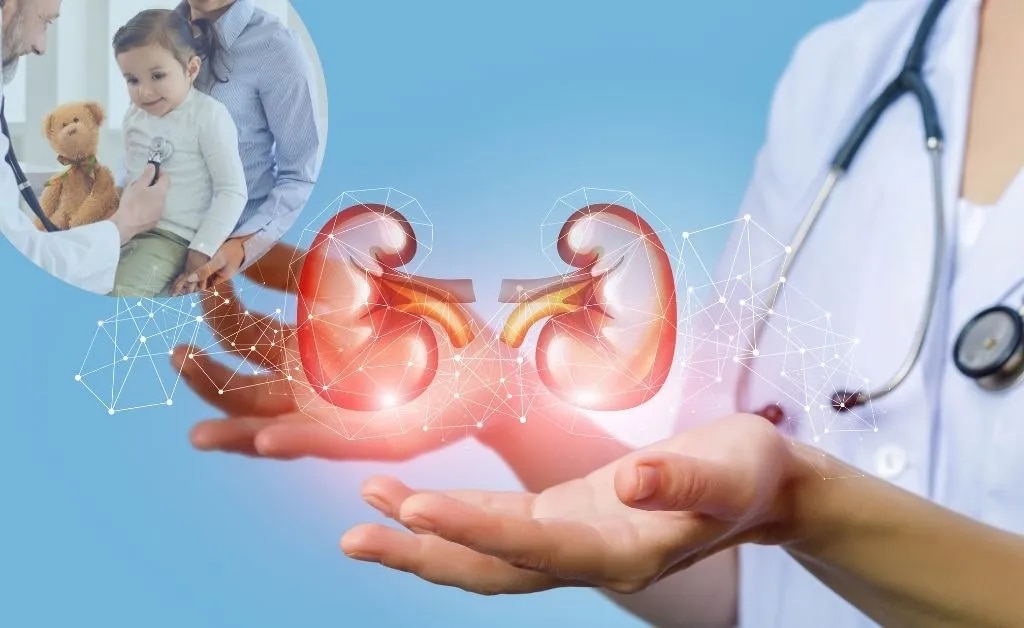
Pediatric Nephrology

Pediatric Nephrology

Phone Number

08048074097

Please keep 0 before dialling the number.

Email Address info@aurindamhospital.in

Mon-Thu: 10 AM - 2 PM • Fri: 3 PM - 7AM

Other Website Visit our other website
Address P- 29/2-4, next to Pendharkar Collage, near Family Tree Hotel, Azde Gaon, MIDC, Dombivli East, Dombivli, Maharashtra

Dombivli East, India, 421201

Description

Pediatric nephrology is a medical subspecialty that focuses on the diagnosis and treatment of kidney-related conditions in infants, children, and adolescents. Pediatric nephrologists manage both congenital (present at birth) and acquired kidney disorders, helping ensure proper kidney function and overall fluid and electrolyte balance in children. Common Conditions Treated in Pediatric Nephrology: 1. Congenital Anomalies of the Kidney and Urinary Tract (CAKUT): Examples: horseshoe kidney, polycystic kidney disease, hydronephrosis. These are structural abnormalities that may be identified during prenatal ultrasounds or early in life. 2. Nephrotic Syndrome: A condition where the kidneys leak too much protein into the urine. Symptoms: swelling (especially around the eyes and ankles), foamy urine, and low blood protein levels. 3. Glomerulonephritis: Inflammation of the glomeruli (filtering units of the kidney). Can result from infections, autoimmune diseases, or other systemic conditions. 4. Urinary Tract Infections (UTIs) and Vesicoureteral Reflux (VUR): UTIs are common in children, and recurrent cases may suggest an underlying abnormality like VUR, where urine flows backward from the bladder to the kidneys. 5. Acute Kidney Injury (AKI): A sudden loss of kidney function due to dehydration, infections, toxins, or other medical conditions. 6. Chronic Kidney Disease (CKD): Progressive loss of kidney function over time. May lead to end-stage kidney disease (ESKD) requiring dialysis or kidney transplant. 7. Hypertension (High Blood Pressure): Can be both a cause and consequence of kidney disease in children. 8. Electrolyte and Acid-Base Disorders: Pediatric nephrologists manage imbalances in sodium, potassium, calcium, and blood pH. Diagnostic Tools: Urinalysis and Urine culture Blood tests for kidney function (e.g., creatinine, BUN) Ultrasound of the kidneys and bladder Renal biopsy (in selected cases) Treatment Options: Medications: steroids, immunosuppressants, antihypertensives, diuretics. Dietary management: low-sodium, low-protein diets in certain conditions. Dialysis: Peritoneal or hemodialysis for children with severe kidney failure. Kidney transplant: Considered in end-stage renal disease. Pediatric nephrologists also work closely with dietitians, social workers, and transplant teams to offer comprehensive, family-centered care.

Other Treatments

view all

Critical Care

Critical care is dedicated to the management of patients with severe medical conditions which require immediate and intensive interventions to stabilize their health. These patients often face multi-organ failure, life-threatening injuries, or severe infections, and their condition demands the expertise and resources of critical care professionals. Key Features of Critical Care are : *24/7 Monitoring: Continuous monitoring of vital signs (heart rate, blood pressure, oxygen saturation, etc. *Advanced Interventions: Use of machines like ventilators, dialysis machines, and intravenous pumps to deliver medications. *Intensive Treatments: Immediate response to medical emergencies like trauma, cardiac arrest, or respiratory failure. Common Conditions Treated in Critical Care: *Respiratory failure (e.g., from pneumonia, COPD, or ARDS) *Sepsis (widespread infection leading to organ failure) *Cardiac emergencies (e.g., heart attack, cardiac arrest, heart failure) *Trauma (severe injury from accidents or falls) *Stroke (brain injuries or strokes leading to critical conditions) *Acute kidney failure (sudden kidney dysfunction) *Post-surgical recovery (following major surgeries or organ transplants) Critical Care Team: A multidisciplinary team works together to manage critical care patients. This may include: Intensivists (Critical Care Physicians): Doctors who specialize in managing critically ill patients. Nurses: Highly trained in monitoring patients, administering treatments, and providing daily care. Respiratory Therapists: Specialists in managing breathing problems and mechanical ventilation. Dietitian: Offer nutritional support, especially for patients who can't eat normally. Critical Care Treatments: Mechanical Ventilation: For patients who cannot breathe on their own. (SERVO C VENTILATORS) Intravenous Medications: For controlling infections, stabilizing blood pressure, or managing pain. Invasive Monitoring: Continuous monitoring of internal body functions like blood pressure, heart rate, and oxygen levels using specialized devices. (NIHON KOHEDON MONITORS) Sedation and Pain Management: For comfort and to manage pain in severely ill patients. Dialysis: To manage kidney failure. (FRESINUS DIALYSIS MACHINE) POCUS : Point of Care Ultrasound for procedure and patient monitoring.

Bone & Joints - Orthopedic Trauma & Joint Replacement

Orthopedic surgery, also known as orthopedics, is a surgical specialty focused on the diagnosis, treatment, and prevention of conditions affecting the musculoskeletal system. This system includes bones, joints, muscles, tendons, ligaments, and nerves. Orthopedic surgeons utilize both surgical and non-surgical methods to treat a wide range of problems, including trauma, spine diseases, sports injuries, degenerative conditions, infections, tumors, and congenital disorders. Orthopedic, Trauma & Joint Replacement is a medical specialty that deals with the diagnosis, treatment, and surgical management of injuries and disorders affecting the bones, joints, muscles, ligaments, and tendons. Here's a breakdown of each component: 1. Orthopedics: This is the broad field focused on the musculoskeletal system. It covers: Bone fractures Arthritis Back and spine issues Congenital deformities Sports injuries 2. Trauma: Trauma in orthopedics refers to injuries caused by accidents or physical impact, such as: Fractures (broken bones) Dislocations Soft tissue injuries Polytrauma (multiple injuries) Orthopedic trauma surgeons often handle emergency cases, especially in accidents. 3. Joint Replacement: This involves replacing damaged joints with artificial implants (prostheses), most commonly: Total Hip Replacement (THR) Total Knee Replacement (TKR) Shoulder Replacement These procedures are typically done for severe arthritis or joint degeneration when other treatments fail.

footerhc