Dombivli East
08048074097
+919224564569

Treatments

Urology

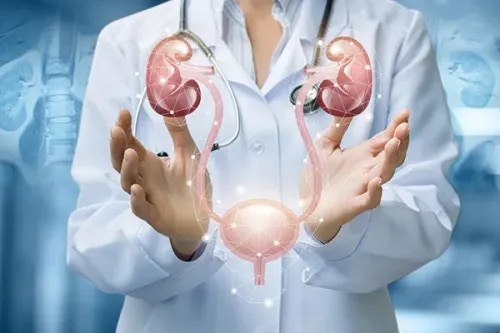
Urology is a branch of medicine that focuses on the diagnosis, treatment, and prevention of diseases and disorders related to the urinary tract system and the male reproductive system. It involves both surgical and non-surgical approaches. Key areas of urology: 1. Urinary Tract: Kidneys: Responsible for filtering waste from the blood and producing urine. Ureters: Tubes that carry urine from the kidneys to the bladder. Bladder: Stores urine until it’s eliminated from the body. Urethra: The tube through which urine exits the body. 2. Male Reproductive System: Prostate: A gland involved in semen production. Testicles: Produce sperm and testosterone. Penis: Involved in sexual function and urination. Common conditions treated by urologists include: Urinary Tract Infections (UTIs) Kidney Stones Bladder Disorders (such as incontinence) Prostate Issues (like benign prostatic hyperplasia or prostate cancer) Erectile Dysfunction Infertility Cancers of the urinary tract and male reproductive system (e.g., kidney, bladder, prostate, testicular cancers) Procedures in urology: Cystoscopy: A procedure to examine the bladder and urethra. Prostatectomy: Removal of the prostate, often due to cancer. Nephrectomy: Removal of a kidney, usually due to disease or cancer. Lithotripsy: A technique for breaking up kidney stones using shock waves. Vasectomy: A surgical procedure for male sterilization. Urologists also work closely with other specialists when conditions overlap, such as working with oncologists for cancer treatment or nephrologists for kidney-related conditions.

Pediatric Nephrology

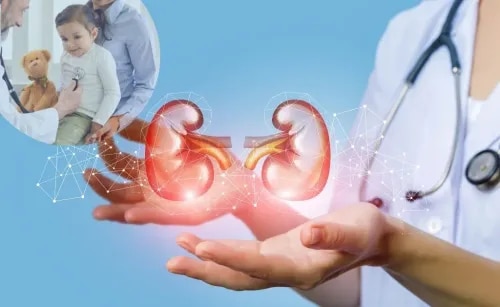
Pediatric nephrology is a medical subspecialty that focuses on the diagnosis and treatment of kidney-related conditions in infants, children, and adolescents. Pediatric nephrologists manage both congenital (present at birth) and acquired kidney disorders, helping ensure proper kidney function and overall fluid and electrolyte balance in children. Common Conditions Treated in Pediatric Nephrology: 1. Congenital Anomalies of the Kidney and Urinary Tract (CAKUT): Examples: horseshoe kidney, polycystic kidney disease, hydronephrosis. These are structural abnormalities that may be identified during prenatal ultrasounds or early in life. 2. Nephrotic Syndrome: A condition where the kidneys leak too much protein into the urine. Symptoms: swelling (especially around the eyes and ankles), foamy urine, and low blood protein levels. 3. Glomerulonephritis: Inflammation of the glomeruli (filtering units of the kidney). Can result from infections, autoimmune diseases, or other systemic conditions. 4. Urinary Tract Infections (UTIs) and Vesicoureteral Reflux (VUR): UTIs are common in children, and recurrent cases may suggest an underlying abnormality like VUR, where urine flows backward from the bladder to the kidneys. 5. Acute Kidney Injury (AKI): A sudden loss of kidney function due to dehydration, infections, toxins, or other medical conditions. 6. Chronic Kidney Disease (CKD): Progressive loss of kidney function over time. May lead to end-stage kidney disease (ESKD) requiring dialysis or kidney transplant. 7. Hypertension (High Blood Pressure): Can be both a cause and consequence of kidney disease in children. 8. Electrolyte and Acid-Base Disorders: Pediatric nephrologists manage imbalances in sodium, potassium, calcium, and blood pH. Diagnostic Tools: Urinalysis and Urine culture Blood tests for kidney function (e.g., creatinine, BUN) Ultrasound of the kidneys and bladder Renal biopsy (in selected cases) Treatment Options: Medications: steroids, immunosuppressants, antihypertensives, diuretics. Dietary management: low-sodium, low-protein diets in certain conditions. Dialysis: Peritoneal or hemodialysis for children with severe kidney failure. Kidney transplant: Considered in end-stage renal disease. Pediatric nephrologists also work closely with dietitians, social workers, and transplant teams to offer comprehensive, family-centered care.

Pediatric Cardiology

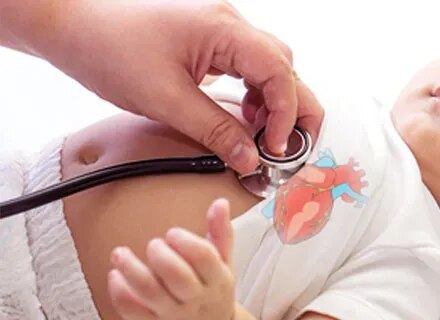
Pediatric cardiology is a medical specialty focused on diagnosing, treating, and managing heart conditions in infants, children, and adolescents. Pediatric cardiologists are trained to handle a wide range of congenital heart defects (conditions that are present from birth) as well as acquired heart conditions that can develop during childhood. Some common conditions treated in pediatric cardiology include: 1. Congenital Heart Defects: These are heart problems that occur during fetal development, such as: Atrial septal defect (ASD): A hole in the wall between the heart's two upper chambers. Ventricular septal defect (VSD): A hole between the two lower chambers of the heart. Patent ductus arteriosus (PDA): A blood vessel that should close after birth remains open. Tetralogy of Fallot: A combination of four heart defects affecting blood flow to the lungs and body. 2. Arrhythmias: Irregular heartbeats, such as tachycardia (fast heart rate) or bradycardia (slow heart rate). 3. Cardiomyopathy: A condition where the heart muscle becomes weakened or enlarged, making it harder for the heart to pump blood effectively. 4. Heart Failure: A condition where the heart is unable to pump blood efficiently to meet the body's needs. 5. Kawasaki Disease: An inflammatory condition that affects blood vessels, often leading to coronary artery problems. 6. Hypertension (High Blood Pressure): Although more common in adults, high blood pressure can also occur in children, leading to potential cardiovascular problems. Pediatric cardiologists often use a variety of diagnostic tools, such as echocardiograms (ultrasound of the heart), ECGs (electrocardiograms), MRI, and catheterization to assess heart function and structure. Treatment options can vary, including medications, catheter-based interventions (such as balloon angioplasty), and sometimes surgery to correct heart defects. Pediatric cardiologists work closely with other specialists like pediatric surgeons, neonatologists, and intensivists to provide comprehensive care for children with heart conditions.

Phone Number

08048074097

Please keep 0 before dialling the number.

Email Address info@aurindamhospital.in

Mon-Thu: 10 AM - 2 PM • Fri: 3 PM - 7AM

Other Website Visit our other website
Address P- 29/2-4, next to Pendharkar Collage, near Family Tree Hotel, Azde Gaon, MIDC, Dombivli East, Dombivli, Maharashtra

Dombivli East, India, 421201

footerhc