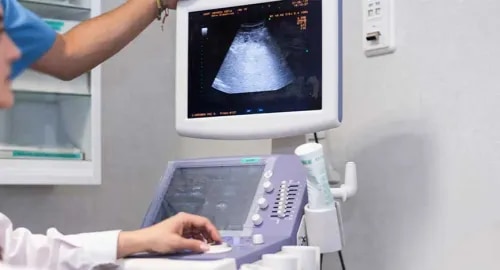
Radiology & Ultrasonography
Radiology & Ultrasonography are key branches of medical imaging used to diagnose and sometimes treat diseases inside the body:
1. Radiology: A medical specialty that uses imaging techniques like:
X-rays: For bones, chest, and joints.
CT scans (Computed Tomography): For detailed cross-sectional images of organs.
MRI (Magnetic Resonance Imaging): For soft tissues, brain, spinal cord, and joints.
Fluoroscopy: Real-time X-ray, often used during procedures.
Interventional Radiology: Minimally invasive, image-guided procedures like biopsies, drainages, and angioplasties.
Radiology is the branch of medicine that uses medical imaging to diagnose and sometimes treat diseases inside the body.
🧠 What Does Radiology Involve?
Radiology uses various imaging techniques to:
See inside the body without surgery
Detect diseases (like tumors, fractures, infections)
Guide treatments (e.g., during biopsies or surgeries)
2. Ultrasonography (Ultrasound): Uses high-frequency sound waves to create images. It's:
Safe and non-invasive (no radiation).
Common in obstetrics (fetal monitoring), abdominal scans, cardiac (echocardiography), and musculoskeletal imaging.
Also used for guiding procedures like biopsies or drain placements.