

The brain, spine, and nervous system control nearly every function of the human body. Even a minor problem affecting these structures can lead to symptoms such as severe headaches, weakness, numbness, loss of balance, or changes in speech and memory. When these symptoms appear, timely evaluation at a neurosurgery hospital in Ulhasnagar can make a significant difference in diagnosis, treatment, and recovery.
Neurosurgery is often associated only with brain operations, but the specialty covers a much broader range of conditions involving the brain, spinal cord, nerves, and spine. Modern neurosurgical care combines advanced imaging, minimally invasive techniques, critical care, and rehabilitation to provide safe and effective treatment for both emergency and planned procedures.
What Does a Neurosurgery Hospital Treat?
A neurosurgery hospital manages disorders affecting the central and peripheral nervous systems. Some conditions require surgery, while others can be treated with medication, observation, or rehabilitation after careful evaluation.
Common conditions managed by neurosurgeons include:
- Brain tumours
- Stroke-related complications
- Head injuries
- Spinal disc prolapse
- Brain haemorrhage
- Hydrocephalus
- Spinal fractures
- Nerve compression
- Trigeminal neuralgia
- Congenital neurological disorders
- Certain movement disorders
Every patient undergoes a detailed assessment before deciding on the most appropriate treatment approach.
Symptoms That Should Never Be Ignored
Neurological symptoms can sometimes develop gradually, making them easy to overlook. However, delaying medical attention may increase the risk of permanent nerve damage or other complications.
Seek immediate medical evaluation if you experience:
- Sudden weakness in the arms or legs
- Difficulty speaking or understanding speech
- Loss of balance or coordination
- Persistent or severe headaches
- Recurrent seizures
- Sudden vision changes
- Numbness affecting one side of the body
- Loss of consciousness
- Neck or back pain associated with weakness
- Difficulty controlling bladder or bowel function
These symptoms require prompt assessment because they may indicate conditions needing urgent neurological care.
The Importance of Advanced Diagnostic Facilities
Successful neurosurgical treatment begins with an accurate diagnosis. Modern hospitals use advanced imaging and neurological investigations to identify the exact cause of symptoms before treatment planning.
Common diagnostic tools include:
- MRI scans
- CT scans
- Digital X-rays
- Brain imaging
- Nerve conduction studies
- Blood investigations
- Neurological examinations
Accurate diagnostics help doctors determine whether surgery is necessary or whether conservative treatment may provide better results.
How Modern Neurosurgery Has Improved
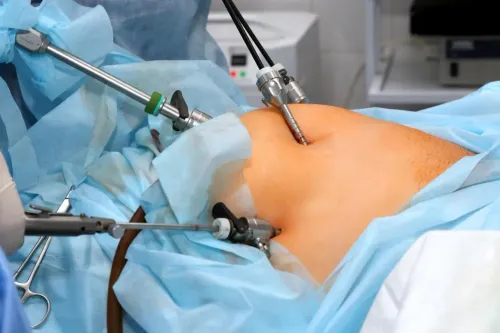
Advances in medical technology have made many neurosurgical procedures safer and more precise than ever before. High-definition imaging, neuronavigation systems, advanced microscopes, and minimally invasive surgical techniques allow surgeons to access affected areas while reducing unnecessary damage to surrounding tissues.
Benefits of modern neurosurgical techniques may include:
- Greater surgical precision
- Smaller incisions for selected procedures
- Reduced blood loss
- Lower risk of complications
- Faster recovery in suitable cases
- Improved postoperative outcomes
The exact surgical method depends on the patient's condition, overall health, and the complexity of the neurological disorder.
Recovery After Neurosurgery
Recovery varies depending on the type of surgery performed and the patient's medical condition. Some patients recover quickly, while others may require extended rehabilitation.
Postoperative care often includes:
- Intensive neurological monitoring
- Pain management
- Physiotherapy
- Occupational therapy
- Speech therapy where needed
- Medication management
- Regular follow-up imaging
- Lifestyle modifications
Family involvement is also an important part of recovery, particularly for patients recovering from major brain or spinal procedures.
Why Multidisciplinary Care Matters
Patients with neurological disorders often need support from multiple medical specialties. Neurosurgeons frequently work alongside neurologists, critical care specialists, anaesthesiasts, radiologists, physiotherapists, rehabilitation experts, and emergency physicians.
This collaborative approach ensures that every stage of treatment from diagnosis to surgery and rehabilitation is carefully coordinated.
Hospitals that offer comprehensive multidisciplinary care are often better equipped to manage complex neurological emergencies and long-term recovery.
Choosing the Right Neurosurgery Hospital in Ulhasnagar
When selecting a neurosurgery hospital, patients should look for experienced specialists, advanced operation theatres, modern diagnostic facilities, intensive care units, emergency services, and rehabilitation support. Access to multiple specialties within the same hospital also improves coordination when patients have additional medical conditions requiring simultaneous treatment.
For residents of Ulhasnagar and nearby parts of Maharashtra, having access to an integrated healthcare facility can reduce delays in diagnosis and improve continuity of care.
Aurindam Hospital provides comprehensive medical services supported by advanced diagnostics, critical care, surgical expertise, and multidisciplinary specialists who work together to manage patients with complex neurological conditions. This integrated model allows patients to receive coordinated evaluation, treatment, and postoperative care within one healthcare setting.
Neurological disorders require timely attention and expert medical evaluation. Whether the condition involves the brain, spine, or peripheral nerves, early diagnosis combined with specialized treatment can significantly improve recovery and quality of life. Choosing a hospital with experienced neurosurgical expertise and comprehensive medical infrastructure helps ensure patients receive the highest standard of care throughout their treatment journey.