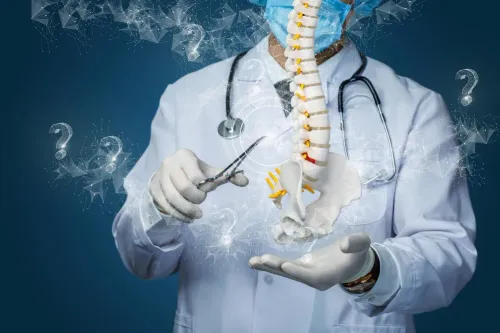
Back and neck pain are among the most common health concerns affecting adults of all ages. While many cases improve with rest, medication, physiotherapy, and lifestyle changes, some spinal conditions continue to worsen despite conservative treatment. In such situations, consulting a spine surgery hospital in Ambernath can help determine whether surgical intervention is necessary to relieve pain, restore mobility, and protect nerve function.
Spine surgery is recommended only after a detailed medical evaluation and when non-surgical treatments have not provided adequate relief. With advances in surgical techniques, imaging technology, and rehabilitation, many spinal procedures are now safer, more precise, and associated with faster recovery than in the past.
Common Conditions That May Require Spine Surgery
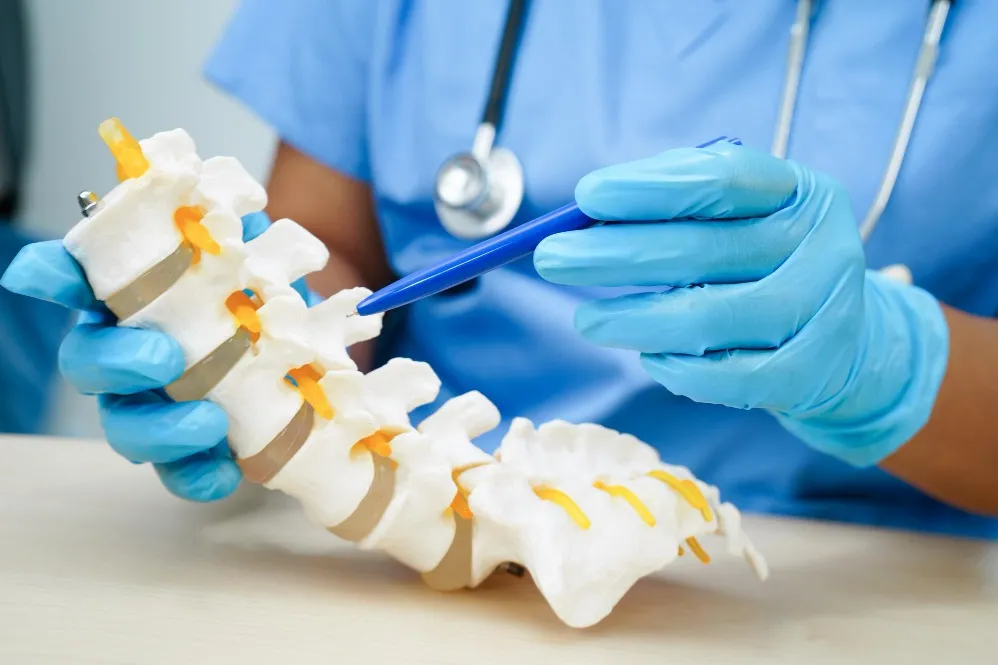
The spine is a complex structure made up of bones, discs, nerves, muscles, and ligaments. Damage or degeneration in any of these structures can affect movement and quality of life.
Some conditions that may require surgical evaluation include:
- Herniated (slipped) disc
- Spinal stenosis
- Degenerative disc disease
- Spinal fractures
- Scoliosis
- Spine tumours
- Spinal infections
- Cervical spondylosis with nerve compression
- Lumbar disc prolapse
- Spinal instability
Not every patient with these conditions requires surgery. Treatment decisions depend on symptoms, imaging findings, and overall health.
Signs That Indicate You Should See a Spine Specialist
Persistent pain should never be ignored, especially when it begins affecting daily activities or neurological function.
Consult a spine specialist if you experience:
- Back pain lasting several weeks
- Neck pain with arm numbness
- Pain radiating down the legs
- Tingling or weakness in the hands or feet
- Difficulty walking due to nerve compression
- Loss of bladder or bowel control
- Severe pain after an accident
- Progressive weakness in the limbs
These symptoms may indicate pressure on the spinal nerves or spinal cord that requires prompt medical attention.
When Is Spine Surgery Recommended?
Doctors generally recommend surgery only after conservative treatment has failed or when neurological damage is likely to worsen without intervention.
Surgery may be considered when:
- Pain persists despite medication and physiotherapy
- There is progressive muscle weakness
- Daily activities become significantly restricted
- Nerve compression causes severe symptoms
- Spinal instability affects movement
- Fractures require stabilization
- Tumours or infections need surgical management
Each treatment plan is tailored to the individual patient's diagnosis and medical condition.
Modern Spine Surgery Techniques
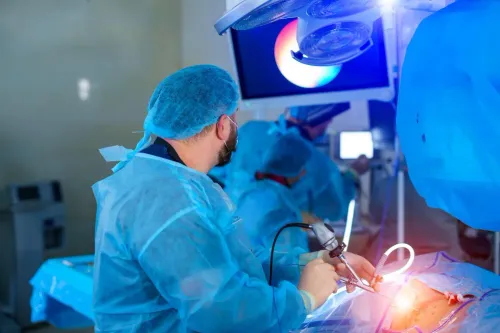
Spinal surgery has evolved considerably over the past decade. Depending on the condition, surgeons may use minimally invasive techniques that require smaller incisions while preserving surrounding muscles and tissues.
Some commonly performed spinal procedures include:
- Microdiscectomy
- Laminectomy
- Spinal decompression
- Spinal fusion
- Vertebroplasty
- Kyphoplasty
- Instrumentation for spinal stabilization
The appropriate procedure is determined after careful clinical assessment and advanced imaging.
Recovery After Spine Surgery
Recovery depends on the type of surgery performed, the patient's age, and existing medical conditions.
Postoperative care usually includes:
- Pain management
- Early supervised mobilisation
- Physiotherapy
- Walking exercises
- Strengthening programmes
- Posture correction
- Follow-up imaging when necessary
Patients are encouraged to follow rehabilitation plans carefully, as physiotherapy plays an important role in restoring flexibility, strength, and functional independence.
Can Spine Problems Be Prevented?
Although not every spinal condition is preventable, healthy lifestyle habits can significantly reduce the risk of chronic back problems.
Helpful preventive measures include:
- Maintaining proper posture
- Exercising regularly
- Strengthening core muscles
- Avoiding prolonged sitting
- Lifting heavy objects correctly
- Maintaining a healthy body weight
- Managing osteoporosis in older adults
Early medical consultation also prevents minor spinal problems from progressing into more serious conditions.
Choosing the Right Spine Surgery Hospital in Ambernath
When selecting a hospital, patients should consider the experience of spine surgeons, availability of advanced imaging, modern operation theatres, intensive care support, anaesthesia expertise, rehabilitation services, and multidisciplinary medical care.
Hospitals with comprehensive orthopaedic, neurological, emergency, and critical care services provide better coordination when complex spinal conditions require input from multiple specialists.
For residents of Ambernath and nearby regions of Maharashtra, access to integrated spine care within a multi-speciality hospital offers greater convenience and continuity throughout diagnosis, surgery, and recovery.
Aurindam Hospital provides comprehensive surgical and medical services supported by experienced specialists, advanced diagnostic facilities, modern operation theatres, intensive care units, and rehabilitation support. Patients requiring spine evaluation benefit from coordinated care that focuses on accurate diagnosis, individualized treatment planning, and structured postoperative recovery.
Living with chronic back or neck pain should not be considered a normal part of life. Early diagnosis, expert evaluation, and appropriate treatment can prevent long-term complications and improve mobility. When surgery becomes necessary, choosing a hospital with experienced specialists and modern medical infrastructure provides patients with the best opportunity for a safe procedure and successful recovery.
Keywords