The right operation depends on the condition, fertility plans, urgency, and the hospital’s ability to manage complications—not simply on whether a procedure is advertised as keyhole surgery. You will be able to match common gynecological problems with possible procedures, compare laparoscopy with alternatives, prepare for consultation and surgery, and assess the safety support behind a hospital or surgeon.
Key takeaways
- Ask whether laparoscopy will diagnose and treat the problem in one operation.
- Compare alternatives such as medication, hysteroscopy, open surgery and watchful waiting.
- Check surgeon training, hospital anaesthesia, emergency and blood-bank arrangements.
- Seek urgent care for heavy bleeding, fainting, fever or worsening abdominal pain.
Which gynecological problems can laparoscopy treat?
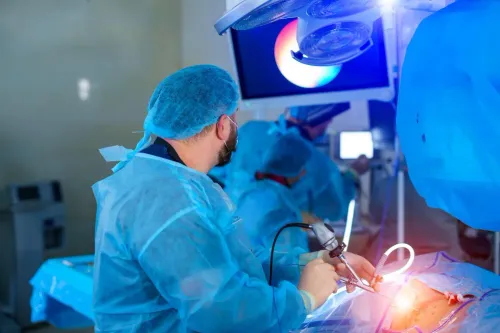
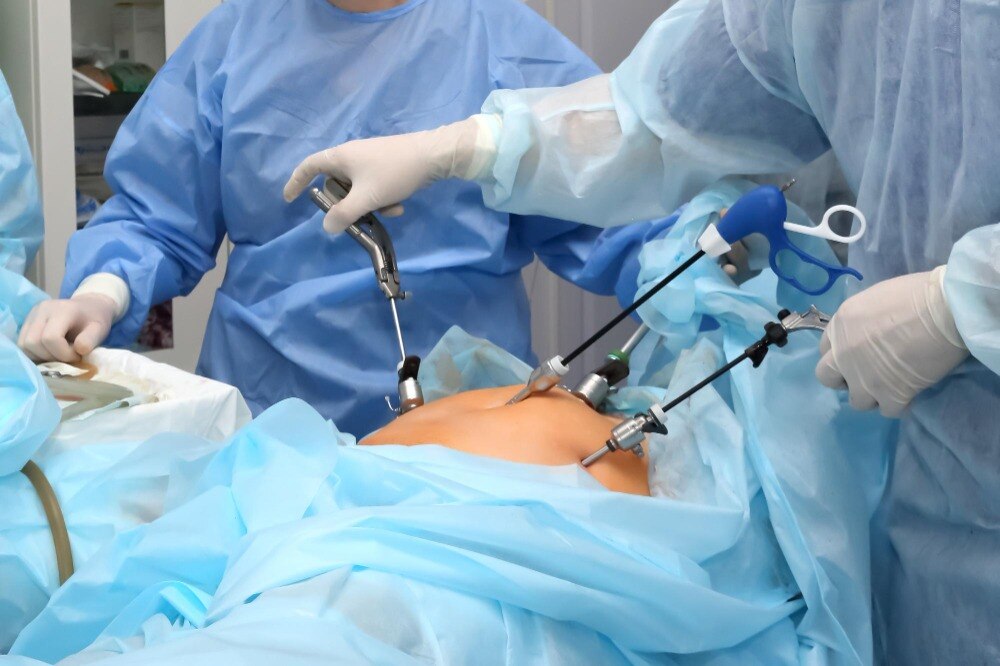
Laparoscopy can investigate unexplained pelvic pain, infertility, endometriosis, adhesions, ovarian cysts, fibroids, ectopic pregnancy and selected causes of abnormal bleeding. It uses small abdominal incisions, usually under general anaesthesia with carbon-dioxide insufflation, and may diagnose a problem or treat it during the same operation.
| Problem | Possible laparoscopic procedure | Important point |
|---|---|---|
| Unexplained pain or infertility | Diagnostic laparoscopy | Looks for endometriosis, adhesions or other pelvic causes |
| Endometriosis | Excision or ablation | Discuss ovarian reserve before ovarian surgery |
| Adhesions | Adhesiolysis | Separates scar tissue affecting pain or fertility |
| Ovarian cyst | Ovarian cystectomy | An incidental cyst may need observation or repeat imaging |
| Fibroids | Laparoscopic myomectomy | Can preserve the uterus for a future pregnancy |
| Ectopic pregnancy | Ectopic pregnancy surgery or salpingectomy | Internal bleeding requires urgent treatment |
| Selected abnormal bleeding | Laparoscopy with targeted treatment | Hysteroscopy may suit problems inside the uterine cavity |
| Uterine disease requiring removal | Laparoscopic hysterectomy | Permanently ends fertility |
The same operation is not right for every patient. Repeated or bilateral endometrioma surgery can reduce ovarian reserve, while fibroid number, size and location can make open surgery safer. Severe one-sided pain, fainting, heavy bleeding, fever, abdominal rigidity, or pregnancy-related pain or bleeding needs emergency assessment rather than a routine appointment.
The phrase keyhole gynecological surgery ulhasnagar describes an approach, not a diagnosis or guaranteed result. Recovery and the need for admission depend on the procedure and your medical risk.
When is another treatment safer or more useful?
Laparoscopy is not automatically the safest choice: medication, observation, hysteroscopy, vaginal surgery or an open operation can better match the problem.
| Option | Best fit | Key trade-off |
|---|---|---|
| Medication or observation | Mild symptoms, stable cysts, selected fibroids or endometriosis managed without surgery | Avoids surgical risks, but symptoms may persist or require repeat imaging |
| Hysteroscopy | Problems inside the uterus, including selected polyps, submucosal fibroids and some abnormal bleeding | Does not examine the ovaries, tubes or pelvic adhesions |
| Laparoscopy | Endometriosis, ectopic pregnancy, ovarian cysts, adhesions or disease outside the uterine cavity | Requires anesthesia and carries risks to bowel, bladder, ureters and blood vessels |
| Open surgery | Very large uterus, dense adhesions, difficult anatomy, suspected malignancy or uncontrolled bleeding | Larger incision and longer recovery |
For hysterectomy, vaginal removal is preferable when feasible. Laparoscopic or abdominal hysterectomy may be safer with a large uterus, previous surgery, endometriosis, adhesions or suspected cancer. The choice depends on the anatomy and the surgeon’s safety assessment, not the label “minimally invasive.”
For fibroids, myomectomy removes fibroids while preserving the uterus for a possible future pregnancy. Hysterectomy permanently ends fertility. Discuss fibroid number, size, location, anemia and pregnancy plans before choosing.
Endometriosis surgery should not mean removing every visible lesion. Discuss ovarian reserve before ovarian endometrioma surgery, especially after previous surgery or when both ovaries are involved.
A surgeon may convert laparoscopy to laparotomy if bleeding, dense adhesions, unexpected cancer, difficult anatomy or bowel, bladder, ureter or blood-vessel injury makes an open operation safer. Conversion is a safety decision, not automatically a failure.
What happens during the consultation and before surgery?
A proper consultation establishes why surgery is needed, what alternatives exist and how the operation could affect your fertility and recovery.
| Assessment | What it clarifies | Possible next step |
|---|---|---|
| Symptoms | Timing, location, severity and effect on daily life | Examination or imaging |
| Menstrual and pregnancy history | Cycle pattern, last period and pregnancy possibility | Pregnancy test |
| Fertility plans | Whether the uterus, ovaries or tubes need preservation | Change in procedure or counselling |
| Past operations | Adhesions, altered anatomy and previous complications | Review operative reports |
| Medical history and medicines | Anesthetic, bleeding and clot risks | Blood tests or medication plan |
The clinician may perform a pelvic examination and request a pelvic ultrasound, blood tests or MRI when the findings and planned operation justify them. Blood grouping and cross-matching depend on the procedure and your personal risk; they are not automatic for every laparoscopy.
Before elective surgery, ask the hospital to confirm:
- When to stop eating and drinking, including the exact fasting times
- Which medicines to stop or continue, including diabetes medicines
- How prescribed anticoagulants will be managed
- Whether bowel preparation is required
- How pregnancy will be excluded
- Whether you consent to additional procedures if unexpected findings arise
- The expected recovery and whether an adult escort is required for discharge
Consent should cover benefits, alternatives, fertility effects, bleeding, infection, blood clots and anesthetic complications. It must also include injury to the bowel, bladder, ureter or blood vessels, plus possible conversion to laparotomy when bleeding or difficult anatomy makes open surgery safer.
How should you compare a surgeon and hospital in Ulhasnagar?
Choose the named surgeon, not the label on the building. A laparoscopic gynecologist Ulhasnagar patient can compare two hospitals only after asking who will operate, how often that surgeon performs the exact procedure, and whether a trained anesthetist and assistant team will be present.
Ask for these answers before scheduling:
- Will fertility, the uterus, ovaries and fallopian tubes be preserved when medically safe?
- Is admission available 24 hours a day, with immediate operating-theatre access?
- Are blood-bank services or blood products available, and is intensive-care support on site?
- Can the hospital provide urgent ultrasound, pregnancy testing, imaging and pathology?
- If laparoscopy becomes unsafe, can the surgeon perform open surgery or arrange rapid referral?
- Who will answer postoperative calls, and what does complication care cost?
A suspected ectopic pregnancy makes this checklist urgent: internal bleeding may require ultrasound, pregnancy testing, anesthesia, blood access and immediate open surgery. Do not assume a gynecology hospital Ulhasnagar listing provides round-the-clock cover.
| Option | What to compare | What the label does not prove |
|---|---|---|
| General hospital women care Ulhasnagar | Emergency medicine, obstetrics, diagnostics, surgery, admission and ICU coordination | Advanced laparoscopic expertise |
| Laparoscopic gynecology for general hospital Ulhasnagar | Named surgeon, procedure volume and conversion plan | Lower risk or lower cost |
| Aurindam Hospital | Ask which listed services are available at the required time | That every surgeon performs every procedure |
Compare the complete written estimate: surgeon, anesthesia, theatre, consumables, pathology, admission, conversion to open surgery and complication treatment. Insist on written consent covering those possibilities.
Related service
Laparoscopic Gynecology refers to the use of minimally invasive keyhole surgery techniques to diagnose and treat gynecological conditions. View service → |
What recovery, warning signs and follow-up should you expect?
Diagnostic laparoscopy may be completed as day surgery. Extensive endometriosis treatment, hysterectomy, major bleeding, significant medical illness or complications can require an overnight or longer stay. Minimally invasive does not mean normal activity tomorrow. Carbon-dioxide insufflation and pelvic surgery can cause shoulder-tip pain, bloating, temporary urinary changes or constipation.
Recovery follows the procedure, not the label.
Before discharge, ask:
- When can you walk, drive, work, exercise, lift objects and have sex?
- How should you clean the incisions, and when should dressings come off?
- Which pain medicines should you take, at what dose, and should you avoid ibuprofen or aspirin?
- When will pathology results be available, and who will explain them?
- What date is the follow-up appointment, and what symptoms require an earlier review?
- Which number provides help after hours?
Contact the surgical team for worsening pain, heavy bleeding, fever, repeated vomiting, a persistently swollen or rigid abdomen, wound redness, spreading swelling, pus or separation. Seek emergency assessment for breathing difficulty, fainting or a swollen painful leg.
Severe one-sided pelvic pain, fainting, heavy bleeding, fever, abdominal rigidity, or a positive pregnancy test with pain or bleeding requires emergency care, not a routine laparoscopic gynecologist appointment. Ectopic pregnancy, haemorrhage, torsion or infection can need immediate treatment. Choosing keyhole gynecological surgery Ulhasnagar should include a written recovery plan, not only an advertised operation fee.
Frequently asked questions
Which gynecological problems can laparoscopy treat?
Laparoscopy can investigate pelvic pain and infertility and treat selected cases of endometriosis, adhesions, ovarian cysts, fibroids and ectopic pregnancy. The same operation may include biopsy, cyst removal, adhesiolysis or removal of an ectopic pregnancy.
When is another treatment safer or more useful?
Medication, watchful waiting, hysteroscopy, embolisation or open surgery may be more suitable depending on the diagnosis, cyst or fibroid size, pregnancy status, bleeding risk and need for fertility preservation. Ask what happens if you delay or decline surgery.
What happens before laparoscopic gynecological surgery?
The consultation usually covers symptoms, pregnancy plans, previous operations, medicines and medical conditions. Expect an examination and tests selected for your case, such as a pregnancy test, blood count, ultrasound and anaesthesia assessment. Confirm fasting, medication changes, admission time and transport home.
How should you compare a laparoscopic gynecologist and hospital in Ulhasnagar?
Ask who will perform the operation, their relevant training and experience with your procedure, and who provides anaesthesia. Check whether the hospital has an operating theatre, recovery monitoring, intensive-care access, blood-bank arrangements and emergency surgical support.
What recovery and warning signs should you expect after laparoscopy?
Shoulder-tip discomfort, tiredness and incision soreness can occur after carbon-dioxide insufflation. Follow the discharge instructions for bathing, driving, work, sex and lifting. Contact the hospital for fever, increasing pain, repeated vomiting, wound redness or pus, heavy vaginal bleeding, breathlessness or fainting.
Keywords