
The best anesthetic depends on the operation’s location, depth, duration and pain level, but also on your health, airway, medicines and ability to remain still. By the end, you will know how local, regional, sedation and general anesthesia differ, what to ask during consultation, and how to prepare safely.
Key takeaways
- General anesthesia affects the whole body; regional anesthesia numbs a larger area.
- The operation’s location, duration, pain level and need for stillness guide the choice.
- Tell your anesthesiologist about medicines, allergies, illnesses and previous anesthesia problems.
- Follow fasting instructions exactly and arrange transport if sedation or general anesthesia is planned.
How the Four Main Anesthesia Options Differ
The four main types of anesthesia for surgery differ in how much of your body they affect, how deeply you are sedated, and what support you need to remain safe. Which anesthesia is right for surgery depends on the operation’s location, depth, duration, expected pain, required stillness and need for muscle relaxation.
| Option | What it means and requires | Typical fit |
|---|---|---|
| Local anesthesia | Numbs a small, targeted area while you remain conscious. It suits short, superficial procedures with limited pain and no need for complete stillness. | Skin procedures and minor wound repair |
| Regional anesthesia | Blocks sensation in a larger area, such as a limb or the lower half of the body. You may remain conscious, receive intravenous sedation, or need conversion to general anesthesia. | Peripheral nerve blocks for some orthopedic operations; spinal or epidural anesthesia for cesarean delivery and lower-body surgery |
| Monitored anesthesia care or intravenous sedation | Makes you relaxed or sleepy while preserving some responsiveness. It suits shorter procedures with moderate pain and limited muscle relaxation; deeper anesthesia or general anesthesia may be needed if pain, movement or duration increases. | Selected procedures where you can breathe independently and follow instructions |
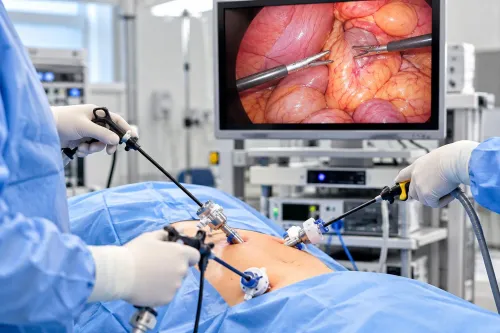
| General anesthesia | Produces unconsciousness and often requires airway and breathing support. It provides the greatest stillness and muscle relaxation for deep, painful or lengthy operations. | Laparoscopic abdominal surgery, many pediatric procedures and neurosurgery |
The operation’s name alone does not determine the choice. Your anesthesiologist also weighs your health, airway, medications, bleeding and aspiration risks, previous anesthesia problems and ability to tolerate awareness. Ask whether conversion to general anesthesia is realistic if the block is incomplete, surgery lasts longer or you cannot remain comfortable.
General or Regional Anesthesia: What Changes for You
Choosing general or regional anesthesia affects what you feel, how you breathe, how quickly you recover and how pain is controlled afterward.
| Option | Awareness and breathing | Recovery and common effects | Pain control |
|---|---|---|---|
| General anesthesia | Unconscious; airway and breathing support are commonly needed | Nausea, sore throat and grogginess are more relevant; urinary retention can occur | Strong intraoperative control, with separate postoperative medicines |
| Regional anesthesia | A limb or lower body becomes numb; breathing support is usually less extensive | Temporary numbness or weakness; spinal anesthesia can contribute to urinary retention | Can reduce opioid needs and extend pain relief after surgery |
Regional anesthesia does not mean you must remain fully awake. A spinal, epidural or peripheral nerve block can be combined with intravenous sedation, which makes you relaxed or sleepy while preserving variable responsiveness.
A single-shot spinal is one lower-back injection that produces a relatively rapid, dense block. An epidural catheter allows medication to continue or be adjusted, making it useful when prolonged or titratable pain relief is needed.
A nerve block can control pain after surgery, but weakness or numbness increases fall and accidental-injury risks until strength returns. Arrange help with walking and follow instructions about protecting the limb.
Ask whether conversion to general anesthesia is realistic if the block is incomplete, surgery lasts longer or awareness becomes intolerable. General anesthesia may provide the immobility and muscle relaxation required for extensive or delicate operations; regional techniques may reduce opioid requirements when suitable.
What the Anesthesiologist Checks Before Choosing
Age, weight, pregnancy status, allergies, heart or lung disease, sleep apnea, kidney or liver disease, snoring, and previous anesthesia problems can change the plan. Tell the anesthesiologist about postoperative nausea, motion sickness, severe pain, difficult intubation or airway management, and any prior reaction.
| Assessment | What the team checks |
|---|---|
| Medical history | Conditions, prior operations, anesthesia records, and exercise tolerance |
| Physical and airway examination | Mouth opening, neck movement, breathing, loose teeth, crowns, dentures, and removable dental work |
| Medication review | Bleeding risk, blood sugar, interactions, withdrawal risk, and timing before surgery |
| Consent | Planned technique, alternatives, risks, monitoring, and possible conversion to general anesthesia |
Bring a written checklist covering:
- Anticoagulants and antiplatelets, including aspirin
- Diabetes medicines, every prescription and nonprescription drug, and herbal supplements
- Alcohol intake, smoking, vaping, and recreational drugs
Never stop a prescribed blood thinner yourself if spinal, epidural, or deep regional anesthesia is being considered. The prescribing and anesthesia teams must coordinate the last dose and needle-placement timing.
The team orders a complete blood count, electrocardiogram, chest imaging, or pregnancy testing only when your clinical assessment indicates it. Informed consent should include questions about pain control, nausea prevention, breathing support, and what happens if the proposed block is incomplete.
Search terms such as anesthesia consultation dombivli can help you find an appointment, but confirm the plan directly with the anesthesiologist.
Fasting, Safety Checks and Recovery Expectations
1. Follow the treating team’s written fasting instructions over generic advice. For a healthy adult having elective anesthesia, common reference points are clear liquids until 2 hours before, a light meal or nonhuman milk until 6 hours before, and fried, fatty or meat-containing food for 8 hours or longer.
Ask the facility about chewing gum; do not assume it is permitted, because it may require a longer fasting interval.
2. Tell the anesthesia team if you are pregnant, have reflux, diabetes, delayed stomach emptying or bowel obstruction. Emergency surgery also changes the plan: your stomach may not be empty, so the team must rapidly assess aspiration risk, protect your airway and choose the safest technique. If you accidentally eat or drink, report it immediately.
Do not hide it or cancel surgery independently.
3. In the recovery area, staff monitor breathing and oxygenation, blood pressure, heart rhythm and circulation while treating pain or nausea. If you have had postoperative nausea or vomiting or motion sickness, ask about preventive antiemetics, reducing nausea-provoking anesthetic exposure and regional techniques when suitable. Arrange the required responsible-adult escort.
Follow written restrictions on driving, alcohol, work and major decisions; feeling awake does not prove that judgment, coordination and memory have fully recovered.
How to Evaluate Anesthesia Care Near Dombivli
Compare anesthesia options near Dombivli by comparing the care around the anesthetic, not just the label. Availability depends on the hospital, surgeon, anesthesiologist, procedure and time of day, so confirm what is arranged for your operation.
Ask these questions during an anesthesia consultation Dombivli patients are arranging:
1. Is a pre-anesthesia assessment available before the operation, with time to review your health and medicines?
2. Are ultrasound-guided regional blocks offered when they suit the procedure?
3. Will the team continuously monitor oxygenation, blood pressure, heart rhythm and circulation?
4. Who will manage postoperative pain and nausea, and what preventive treatment is available if you have had motion sickness or previous nausea?
5. How long will recovery-area observation last, and what discharge criteria must you meet?
6. Is pediatric or maternity anesthesia expertise available if the patient is a child or is having maternity surgery?
7. What escalation process and intensive-care support are available for high-risk or emergency cases, when airway and aspiration risks can change quickly?
Aurindam Hospital in Dombivli East is one local setting where you can raise these questions while arranging specialist-led surgical care; the answers should still be matched to your procedure, health and treating team.
Bring your medication list, prior anesthesia records and specific questions to the consultation. Confirm the final plan with the treating anesthesiologist.
Related service
Anesthesia Anesthesia Anesthesia is a medical treatment used to prevent pain during surgery and other medical procedures. |
Frequently asked questions
What are the four main types of anesthesia for surgery?
The main options are local anesthesia, regional anesthesia, general anesthesia and monitored sedation. They differ in the area numbed, your level of awareness and the monitoring required.
How do general and regional anesthesia differ?
General anesthesia makes you unconscious and affects your whole body. Regional anesthesia numbs a larger body region while you remain awake unless the team adds sedation.
What does an anesthesiologist check before choosing anesthesia?
The anesthesiologist reviews your operation, medical history, medicines, allergies, previous anesthesia reactions, airway, heart and lung health, fasting status and test results.
What should you ask when comparing anesthesia options near Dombivli?
Ask who will provide anesthesia, which monitoring is used, how fasting instructions will be given, what recovery support is available and when you can resume normal activities.
Keywords