A high-risk pregnancy does not always produce a high-risk delivery, but labour can change quickly through bleeding, severe hypertension, fetal distress or a need for urgent surgery. By the end, you will be able to identify the conditions that require closer planning, check a hospital’s actual capabilities and recognise when a tertiary referral centre is safer.
Key takeaways
- Ask who provides 24-hour obstetric, anaesthesia and neonatal cover.
- Confirm an operating theatre and blood bank are immediately available.
- Bring your risk records, medication list and referral notes at admission.
- Agree on transfer arrangements before labour or an emergency begins.
Which conditions make a pregnancy or delivery high risk?
A high-risk pregnancy has a higher chance of harming the mother or fetus, or of needing specialist treatment, urgent surgery or intensive monitoring. A high-risk delivery means the birth itself could deteriorate quickly, even if antenatal checks were reassuring.
| Situation | Practical meaning | Delivery implication |
|---|---|---|
| High-risk pregnancy | Risk is present before labour | Plan monitoring, timing and place of birth |
| High-risk delivery | Labour or birth could trigger rapid deterioration | Prepare emergency surgery, blood support and critical care |
| Stable high-risk pregnancy | The condition is controlled | Planned induction or caesarean can be safer than waiting for labour |
Conditions that can change the delivery plan include:
- Pre-eclampsia, chronic hypertension or medication-treated gestational diabetes
- Placenta previa, suspected placenta accreta or placental abruption
- Twins or higher-order multiples, breech presentation or suspected fetal growth restriction
- Prior caesarean birth, planned vaginal birth after caesarean or previous postpartum haemorrhage
- Maternal heart disease, kidney disease or severe anaemia
A pregnancy can remain stable with a planned induction or caesarean. Conversely, an apparently uncomplicated pregnancy can become dangerous during labour through obstructed birth, fetal distress, severe hypertension or sudden haemorrhage.
High risk pregnancy obstetric care is a process, not just delivery-room supervision. It can include preconception counselling, medication review, serial ultrasound, fetal testing, maternal disease management, delivery-timing decisions and postpartum monitoring. The right hospital depends on the specific risk and the teams available when the plan changes.
What does a general hospital add when a complication develops?
A general hospital high risk delivery setting can keep several essential services in one coordinated system when the situation changes suddenly. Obstetrics, emergency medicine, anaesthesia, operating-room staff, inpatient nursing, laboratory testing, ultrasound, other imaging, blood-bank support and adult critical care can work from the same record and escalation plan.
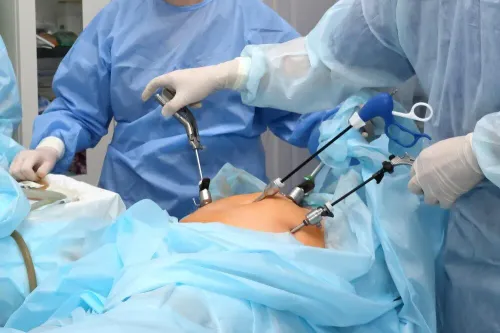
An urgent caesarean delivery, uterine surgery, severe hypertension, postpartum haemorrhage or a non-obstetric emergency can require several teams within minutes. That access reduces dependence on transfers to separate facilities, where an ambulance journey, admission process or unavailable operating room can delay treatment.
For haemorrhage readiness, ask what happens in practice:
- Can the blood bank issue typed and cross-matched blood, red cells, plasma and platelets quickly?
- Does the hospital use a written massive-transfusion procedure, with trained staff and immediate operating-room access?
- Can the team escalate from treatment on the ward to surgery and adult intensive care if bleeding causes shock or organ failure?
- Are local emergency protocols clear about who calls the obstetric, anaesthesia, theatre, laboratory and critical-care teams?
The words “general hospital” prove nothing by themselves. Staffing, response times, blood availability and local protocols determine whether the system works. Assess neonatal capability separately: maternal emergency services do not prove that newborn resuscitation, neonatal intensive care or specialist newborn transfer is available.
Which specialists make decisions before labour and during an emergency?
Before labour, the obstetrician coordinates routine pregnancy management, delivery timing, induction and caesarean planning. In a general hospital, ask that doctor who will lead decisions if labour starts early, bleeding occurs or fetal monitoring becomes abnormal.
| Specialist | Main responsibility | When you need them |
|---|---|---|
| Obstetrician | Coordinates pregnancy care and the immediate response | Routine planning, labour, induction or caesarean |
| Maternal-fetal medicine specialist | Advises on complex maternal or fetal conditions | Maternal disease, fetal growth restriction, abnormal placentation or multiple pregnancy |
| Anaesthetist | Plans analgesia or anaesthesia and manages airway and circulation | Epidural, urgent surgery, airway problems, blood loss or medical instability |
| Neonatologist | Prepares for premature or compromised newborns | Expected early birth, resuscitation or respiratory support |
| Paediatrician | Manages broader child-health needs | Newborn or infant illness outside specialist neonatal care |
| Intensivist | Supports organ failure and ventilator care | Severe maternal deterioration or intensive-care admission |
| Paediatric surgeon | Advises on surgical structural problems | Fetal or newborn abnormalities that may require surgery |
During an emergency, the obstetric, anaesthesia, theatre, blood-bank, intensive-care and newborn teams act together rather than waiting for one doctor to manage everything. Ask the exact question: who is physically available overnight, rather than merely listed as a visiting consultant?
A named specialist who cannot arrive promptly is not the same as an immediately available emergency team.
What should happen from admission through postpartum observation?
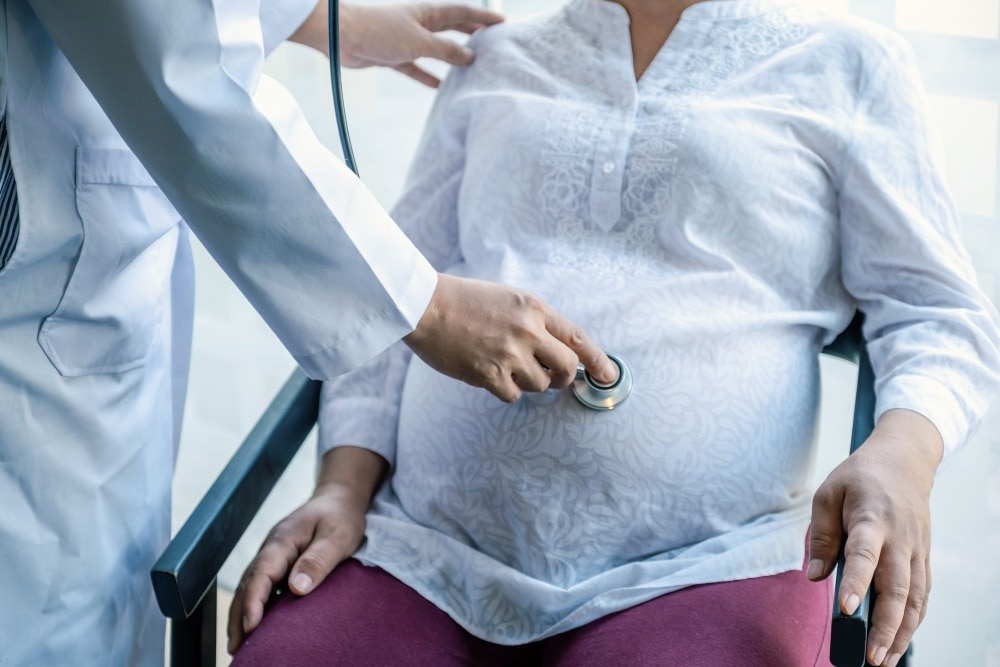
Admission starts with triage: staff record symptoms, gestational age, previous complications, current medications and the reason for arrival. They check blood pressure, pulse, temperature, oxygen saturation, pain and bleeding, then assess fetal heart rate and uterine activity.
Depending on the concern, investigations can include:
- Ultrasound
- Complete blood count
- Blood group and cross-match
- Urine protein testing
- Glucose testing
- Kidney and liver tests
- Other targeted tests
If early birth is likely, corticosteroids can support fetal lung maturity. Magnesium sulfate can be used under medical supervision for specific pre-eclampsia indications, including seizure prevention, or for fetal neuroprotection when very preterm birth is imminent.
The team compares induction with planned caesarean using the clinical facts, not a standard preference.
| Option | Main decision factors | Possible concern |
|---|---|---|
| Induction | Placenta location, fetal position, fetal condition, cervical readiness and maternal disease | Labour may become unsafe and require urgent caesarean |
| Planned caesarean | Placenta previa or accreta, unsuitable fetal position, fetal compromise, prior uterine surgery or maternal disease | Surgery brings bleeding, anaesthetic and recovery risks |
After birth, observation continues for haemorrhage, hypertension, infection, thromboembolism, diabetes and cardiac deterioration. These problems can appear or worsen after delivery, so high risk pregnancy obstetric care continues through monitoring, treatment and follow-up rather than ending at birth.
How can you compare hospitals and confirm a safe referral plan?
Choose a facility by what can happen within minutes, not by its bed count. This comparison separates a general hospital high risk delivery service from facilities with narrower roles.
| Facility | Capability to verify | Main limitation |
|---|---|---|
| General hospital | Labour care, emergency surgery, anaesthesia, laboratory, blood bank and adult ICU | Confirm newborn resuscitation and NICU capacity |
| Maternity-only hospital | Obstetrics, delivery and caesarean surgery | May lack adult ICU, advanced medicine or neonatal intensive care |
| Outpatient obstetric clinic | Consultation, scans, antenatal monitoring and referral | No labour ward, emergency operating room or inpatient rescue care |
| Tertiary referral centre | Subspecialists, advanced surgery, NICU and complex maternal-fetal care | Transfer time and bed availability still matter |
Ask the facility to document these points:
- Is an obstetrician and anaesthetist physically available 24 hours, including overnight?
- Can an emergency caesarean team and operating room respond immediately?
- Are adult ICU beds, ventilators, newborn resuscitation equipment and staffed NICU beds on site?
- Which red-cell, plasma and platelet components are stocked, and how quickly is cross-matched blood issued?
- How fast do haemoglobin, platelet, kidney, liver and coagulation results return?
- Who arranges maternal and neonatal transfer, and which transport service is used?
A general hospital is insufficient alone when the fetus needs specialised fetal intervention, the mother needs advanced cardiac or transplant care, or the newborn needs tertiary treatment. Confirm the named referral hospital, accepting specialist, transport, transfer triggers and what happens if labour or bleeding starts first.
A reproductive medicine hospital may provide infertility treatment and preconception care without labour, emergency surgery, adult ICU or NICU services. Ask Aurindam Hospital, or any local facility, to record these capabilities rather than relying on labels.
Related services
Critical Care Critical care is dedicated to the management of patients with severe medical conditions which require immediate and intensive interventions to... View service → |
Obstetric & Reproductive Medicine Obstetric & Reproductive Medicine Obstetric and Reproductive Medicine are closely related fields focused on women's reproductive health, pregnancy, and childbirth. View service → |
Frequently asked questions
Which conditions make a pregnancy or delivery high risk?
High-risk care may be needed for pre-eclampsia, diabetes, multiple pregnancy, placenta problems, previous caesarean complications, fetal growth concerns, preterm labour or serious maternal illness.
What does a general hospital add when a complication develops?
A general hospital can coordinate obstetrics with anaesthesia, surgery, critical care, blood services, imaging and neonatal care when treatment escalates quickly.
Which specialists make decisions before labour and during an emergency?
The obstetrician leads pregnancy and delivery decisions, with anaesthetists, neonatologists or paediatricians, surgeons, intensivists and other specialists involved when the risk requires them.
What should happen from admission through postpartum observation?
The team should assess maternal and fetal condition, review records, plan delivery, monitor labour, prepare for surgery if needed, examine the newborn and observe the mother after birth.
How can you compare hospitals and confirm a safe referral plan?
Ask about 24-hour obstetrician coverage, emergency caesarean capability, blood availability, neonatal support, intensive care and the named hospital and transport process for referral.
Related services
Neonatology Neonatology Neonatology is a subspecialty of pediatrics that focuses on the medical care of newborn infants, especially the ill or premature. |
Gynaecology Obstretics & Reproductive Medicine Gynaecology Obstretics & Reproductive Medicine Gynecology is the branch of medicine that focuses on the health of the female reproductive system (non-pregnant women). View service → |
Neonatology and Pediatrics Neonatology & Neonate Intensivist Neonatology: Neonatology is a specialized branch of Pediatrics that focuses on the medical care of newborn babies, especially: Premature babies (born... View service → |
Pediatric Cardiology Pediatric cardiology is a medical specialty focused on diagnosing, treating, and managing heart conditions in infants, children, and adolescents. View service → |
Keywords