Diabetes does not automatically rule out cancer surgery, but it changes how the operation is timed, how medicines are managed and how recovery is monitored. By comparing the surgical approach, metabolic preparation, specialist responsibilities and hospital resources, you can choose a safer cancer-care pathway near Kalyan.
Key takeaways
- Do not stop insulin without a written fasting-day plan.
- Check HbA1c, kidney function, electrolytes and heart risk before surgery.
- Ask how glucose will be monitored during fasting and recovery.
- Choose coordinated care from an oncosurgeon, diabetologist and equipped hospital.
How does diabetes change the decision to proceed with cancer surgery?
Diabetes raises the risk of surgical-site infection, slow wound healing, dehydration, acute kidney injury and cardiovascular complications, but it is not an automatic reason to refuse cancer surgery. High glucose can impair immune function and tissue repair; fasting, fluid loss and surgical stress can strain the kidneys and heart.
The decision weighs:
- Cancer type, stage, growth rate and whether surgery is potentially curative or time-sensitive.
- The planned operation, including its duration, blood loss and recovery demands.
- Current glucose stability, HbA1c, kidney function, electrolytes and heart health.
- Nutrition, cancer-related weight loss, low albumin and any active infection.
- Insulin use, reduced kidney function, chemotherapy or radiotherapy, which make coordinated planning more important.
An urgent or potentially curative operation may proceed with glucose optimization and closer monitoring. An elective procedure can sometimes be delayed to treat infection, improve nutrition or stabilize glucose, but postponing cancer treatment can also allow the disease to progress. A high HbA1c should trigger optimization and a risk discussion, not an automatic cancellation.
The practical question behind an oncosurgery diabetologist kalyan search is whether the cancer surgeon, diabetologist or endocrinologist, anaesthetist and oncology team agree on one plan. For cancer surgery for diabetic patients kalyan, ask who will monitor glucose while fasting, adjust insulin, manage delayed eating, and treat diabetic ketoacidosis, severe hypoglycaemia or acute kidney injury.
What tests and preparation should happen before a diabetic patient’s operation?
An HbA1c is only one part of the preoperative check. Request fasting glucose, post-meal glucose, creatinine, estimated glomerular filtration rate, electrolytes and urine testing for infection; check urine or blood ketones when glucose is high, food intake is poor, or you feel unwell.
1. Record blood pressure, chest pain, breathlessness, palpitations, previous hypoglycaemia, neuropathy, eye disease, kidney disease, diabetes duration and any previous ketoacidosis. List every tablet or injection, insulin type and dose, injection timing, glucose-monitoring method and recent readings.
2. Assess nutrition, not just glucose. Cancer-related weight loss, low albumin, anaemia and poor food intake can impair immunity, wound healing and recovery even when glucose readings look acceptable.
3. Ask how long you must fast, which medicines to take, what to do if surgery is postponed, when glucose will be checked, and whether an insulin or glucose infusion is planned. Confirm who will adjust treatment if eating is delayed.
4. Include antibiotic timing, chlorhexidine or other instructed skin preparation, temperature control, oxygenation, blood-clot prevention, nutrition and early movement in the same safety plan. These measures still matter because diabetes adds risk; it does not create a separate type of cancer operation.
5. Before admission, obtain written instructions and the hospital contact number. Do not improvise if vomiting, dehydration, high ketones or repeated low glucose develops; report it before surgery, because proceeding can become unsafe.
What happens to diabetes medicines before surgery and during fasting?
Use the hospital’s written fasting and medication plan; do not stop, skip or substitute medicines on your own. FDA advice is to stop most SGLT2 inhibitors at least 3 days before planned surgery and ertugliflozin at least 4 days before.
Fasting, dehydration and surgical stress can trigger euglycaemic diabetic ketoacidosis, even when glucose is not very high.
| Medicine | Main perioperative issue | Who decides the change |
|---|---|---|
| SGLT2 inhibitors: dapagliflozin, empagliflozin, canagliflozin | Stop before surgery; restart only after clinical stability and adequate eating and drinking | Diabetologist or endocrinologist with the surgical and anaesthesia teams |
| Metformin | Review kidney function, contrast exposure and haemodynamic status | Treating team |
| Sulfonylureas | Fasting can cause hypoglycaemia | Treating team, usually before fasting begins |
| GLP-1 medicines | Balance glucose control against delayed stomach emptying and aspiration risk | Individualized plan from the treating team |
| DPP-4 inhibitors | Decide whether continuation is suitable during admission | Treating team |
| Insulin | Often needs dose reduction or an inpatient infusion, not complete omission | Diabetologist, anaesthetist or inpatient doctor |
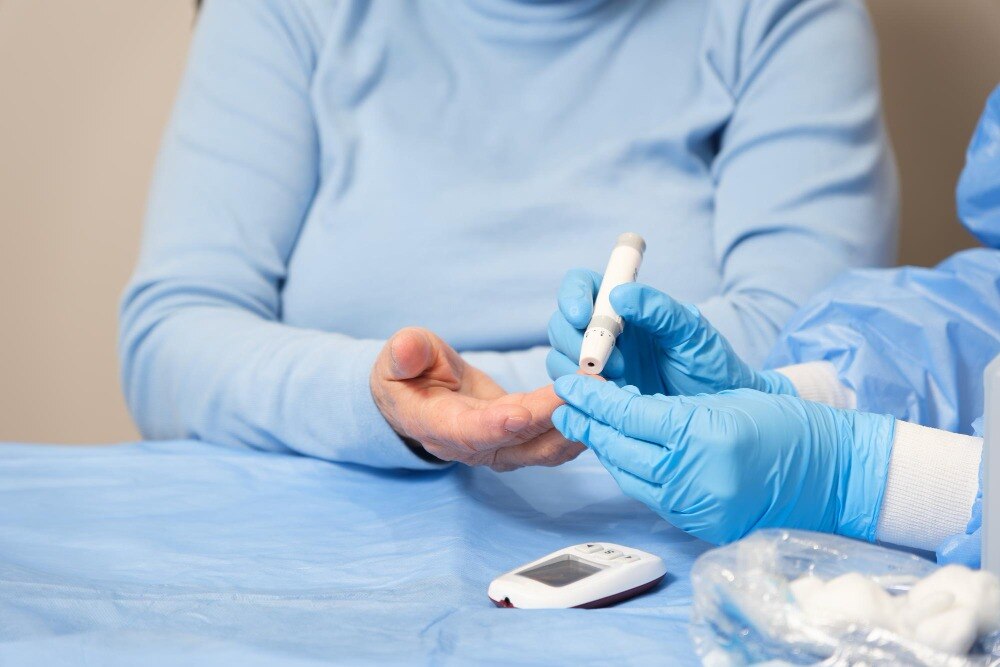
Ask who changes each medicine, how often glucose will be checked and what happens if eating is delayed. Inpatient targets around 100–180 mg/dL must be balanced against hypoglycaemia.
Nausea, vomiting, abdominal pain, rapid breathing, unusual drowsiness or high ketones require urgent assessment, particularly after SGLT2 exposure. Do not dismiss these symptoms because glucose is modest. Restarting medication requires the treating team’s approval.
How should you compare a diabetologist, oncosurgeon and hospital near Kalyan?
Choose the service that gives you one perioperative plan, not a hospital directory listing separate specialists. The diabetologist or endocrinologist sets the glucose target, adjusts tablets and insulin, and manages kidney or metabolic complications; the oncosurgeon decides whether surgery is suitable, selects the operation and reviews pathology with the oncology team.
| Role | What to verify |
|---|---|
| Diabetologist or endocrinologist | Who changes diabetes medicines and manages kidney complications |
| Oncosurgeon | Who confirms the operation and coordinates pathology with oncology |
| Anaesthetist | Who assesses heart, airway, kidney and fasting risks |
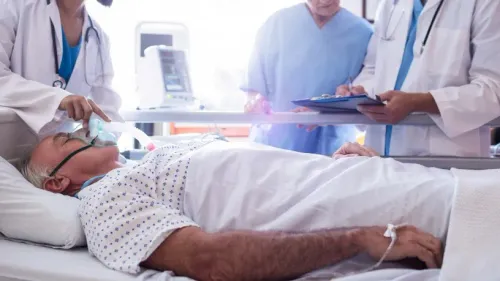
| Ward or ICU team | Who checks and treats glucose during fasting, surgery and recovery |
For diabetologist and oncosurgeon Kalyan services, ask whether your case goes to a multidisciplinary tumour board. This matters especially for major surgery, insulin use, reduced kidney function, or planned chemotherapy or radiotherapy.
Before choosing an oncology hospital Kalyan patients should obtain clear answers to these questions:
- Are anaesthesia, pathology, imaging, ICU, blood-bank and infection-control services available on site or through a documented arrangement?
- Can the hospital treat diabetic ketoacidosis, severe hypoglycaemia and acute kidney injury?
- Who contacts you if eating is delayed, and who changes insulin or starts an infusion?
- Who approves discharge, and what glucose and kidney results are required?
Ask Aurindam Hospital or another local provider for documented answers, then compare the plan rather than accepting “diabetes friendly” as proof of coordination.
Related services
Oncosurgery Oncosurgery also known as surgical oncology—is a medical specialty focused on the surgical management of cancer. |
Oncosurgery and Oncology for Cancer Treatment Oncology & Oncosurgery for Cancer Treatment 🔬 Oncology: Oncology is the medical specialty that deals with the prevention, diagnosis, and treatment of cancer. View service → |
Which surgical approach and recovery plan make sense for a patient with diabetes?
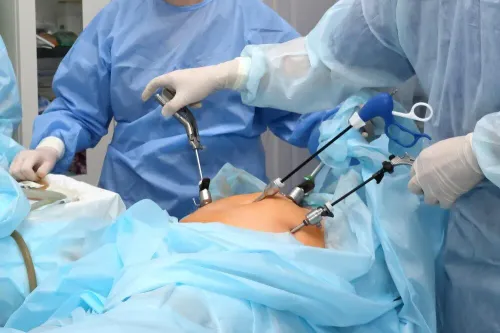
The smallest incision is not automatically the safest cancer operation. Open surgery may mean a larger wound and more pain, but tumour size, location, invasion or the need for reconstruction can make it the clearest route to complete removal.
| Option | Main advantage | Important trade-off |
|---|---|---|
| Open | Direct access for large or invasive tumours | Larger wound, more pain and slower mobility |
| Laparoscopic | Smaller incisions that can support movement and wound care | Anaesthesia, positioning risks, longer operating time and possible conversion to open surgery |
| Robotic | Small incisions with articulated instruments for selected anatomy | Same anaesthetic risks, positioning concerns, longer operating time and conversion if cancer clearance requires it |
Choose the approach that matches the tumour and the surgeon’s ability to remove it properly, not presumed lower glucose exposure. Before surgery, agree on a recovery plan covering:
- Glucose checks, insulin dose changes or an insulin/glucose infusion during fasting
- Diet advancement, carbohydrate drinks and fasting duration under the enhanced-recovery pathway
- Creatinine and kidney monitoring, pain control, clot prevention and early walking
- The discharge date, who approves it, and what happens if eating is delayed
For surgical cancer care near Kalyan, ask how pathology will determine further treatment and where chemotherapy or radiotherapy will take place. Contact the team promptly for fever, increasing redness or drainage, wound separation, persistent vomiting, inability to drink, unusual drowsiness, rapid breathing or abdominal pain.
Frequently asked questions
How does diabetes change the decision to proceed with cancer surgery?
Diabetes increases the risks of infection, delayed wound healing, dehydration, acute kidney injury and cardiovascular complications. It does not automatically rule out surgery. The team weighs cancer urgency against glucose control, kidney function, heart risk, nutrition and the patient’s ability to recover.
What tests and preparation should happen before a diabetic patient’s operation?
Ask about HbA1c, fasting or random blood glucose, kidney function tests including creatinine and eGFR, electrolytes, urine testing, blood count, nutrition assessment and an ECG. Larger operations may require additional heart or lung evaluation. Bring a complete medicine list and records of previous glucose readings.
What happens to diabetes medicines before surgery and during fasting?
Do not change insulin, metformin, sulfonylureas or newer diabetes medicines without instructions from the treating team. The plan depends on the operation, fasting duration, kidney function and medicine type. Ask when to take the last dose, which medicines to hold, how often glucose will be checked and when normal treatment resumes.
How should you compare a diabetologist, oncosurgeon and hospital near Kalyan?
Confirm that the oncosurgeon performs the proposed cancer operation and that a diabetologist can create a perioperative glucose plan. Ask whether the hospital provides 24-hour monitoring, anaesthesia support, blood bank access, infection control, intensive care, kidney support and coordinated follow-up.
Which surgical approach and recovery plan make sense for a patient with diabetes?
Choose the approach that safely removes the cancer while limiting avoidable tissue injury and prolonged fasting. Ask whether open, laparoscopic or robotic surgery is appropriate for the cancer and the patient’s condition. Confirm the wound-care schedule, glucose monitoring, nutrition plan, walking targets, warning signs and follow-up appointments before admission.
Keywords