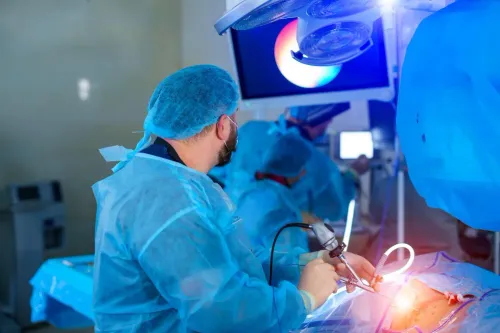

A child with a persistent lump, abdominal swelling, blood in the urine, bone pain, repeated vomiting or neurological changes needs prompt medical assessment, not a delayed routine visit. You will learn which childhood cancers may need an operation, how treatment is planned, and which safety questions to ask before choosing a hospital or surgical team.
Key takeaways
- Solid tumours often need surgery; leukaemia usually does not.
- Seek prompt assessment for a persistent lump, unexplained bleeding, or worsening pain.
- Ask who will perform the biopsy, operation and paediatric anaesthesia.
- Confirm how treatment will protect growth, organ function and rehabilitation needs.
Which childhood cancers may need surgery—and which usually do not?
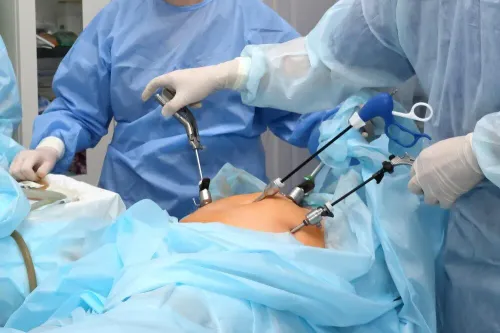
Surgery is central for many solid tumours, but it is not the default treatment for every childhood cancer. The operation may remove the tumour, obtain a biopsy, relieve pressure or preserve a threatened organ.
| Diagnosis or tumour group | How surgery is used | When it is not the main treatment |
|---|---|---|
| Wilms tumour of the kidney | Remove the affected kidney or, in selected cases, preserve part of it | Chemotherapy may come before or after surgery |
| Neuroblastoma | Remove as much of an abdominal, chest or neck mass as safely possible | Chemotherapy, immunotherapy or stem-cell treatment may be more important for high-risk disease |
| Brain or spinal tumour | Biopsy or remove part or all of the mass to relieve pressure and guide treatment | Radiotherapy or drug treatment may follow, and complete removal may be unsafe |
| Bone and soft-tissue sarcoma | Remove the tumour with limb-sparing reconstruction when possible | Chemotherapy often surrounds the operation; radiotherapy may also be needed |
| Leukaemia | Surgery is usually limited to procedures such as a biopsy or line placement | Systemic chemotherapy, targeted treatment, immunotherapy or stem-cell treatment treats disease throughout the body |
| Lymphoma | Surgery usually obtains a biopsy or treats a complication | Chemotherapy, immunotherapy and sometimes radiotherapy are the main treatments |
A search for “paediatric cancer surgery badlapur” or “pediatric oncology surgery” should not decide care by distance alone. Ask whether a paediatric oncologist, surgeon, pathologist, radiologist and anaesthetist review the case together, and whether the hospital handles the specific tumour type. An operation may follow chemotherapy rather than start treatment.
Symptoms that need prompt assessment before a diagnosis
Do not wait for a routine appointment if a symptom is persistent, worsening, or accompanied by weakness, pain, fever, or altered behaviour. Most of these signs have non-cancer causes, but a clinician must assess them.
| Symptom pattern | Prompt action | Why delay matters |
|---|---|---|
| Persistent or enlarging lump, abdominal swelling, or a firm mass | Arrange paediatric assessment promptly | A growing mass needs examination and imaging |
| Blood in urine, repeated vomiting, unexplained weight loss, or prolonged fever | Seek medical review soon; use urgent care if the child looks unwell | These signs can reflect kidney, abdominal, blood, or systemic disease |
| Persistent bone pain, swelling, limping, or refusal to use a limb | Request prompt assessment | Ongoing bone symptoms need examination and imaging |
| Unusual bruising, bleeding, marked pallor, or severe tiredness | Arrange same-day medical advice | Blood-count problems require testing |
| Seizure, new weakness, trouble walking, persistent morning headache, confusion, or vision change | Go to an emergency department now | Neurological deterioration needs immediate evaluation |
Call emergency services for breathing difficulty, collapse, uncontrolled bleeding, a seizure lasting more than five minutes, or a child who is difficult to wake. Keep notes on when symptoms began, their pattern, fever readings, weight change, medicines, and previous reports.
Choose a child cancer hospital based on specialist access, but do not travel past a capable nearby emergency service when the child is unstable. Ask the receiving team where urgent imaging, blood tests, stabilisation, and specialist referral will occur.
What happens before a child’s cancer operation?
Doctors confirm the diagnosis and stage the disease before choosing an operation. A scan alone is not enough for most solid tumours: specialists may need a planned biopsy, while blood and bone-marrow tests can establish diseases such as leukaemia. Ultrasound, MRI or CT shows the tumour’s location, size and spread.
1. Examine the child and record weight, nutrition, symptoms and performance level. Blood counts, kidney and liver tests, clotting tests and infection screening help assess treatment safety.
2. Choose the safest diagnostic test. A radiologist and surgeon plan the biopsy route so it does not damage future surgery. Some tumours follow protocols that use characteristic imaging and proceed directly to treatment instead.
3. Stage the disease with imaging and, when indicated, chest scans, bone studies, marrow examination or other tumour-specific tests. Staging determines whether the aim is cure, control or symptom relief.
4. Review the case in a paediatric multidisciplinary team, including oncology, surgery, radiology, pathology, anaesthesia and intensive-care specialists. The team then decides whether biopsy, chemotherapy, radiotherapy or surgery comes first.
5. Use chemotherapy before surgery when shrinking the tumour could protect an organ or make removal safer. Operate first when a tumour is localised and safely removable, or when tissue is urgently needed.
Families using the search phrase paediatric hospital cancer for surgery badlapur should check whether the centre handles the child’s tumour type and provides chemotherapy, fever assessment and postoperative care. Distance matters because treatment can involve repeated visits and urgent review.
How paediatric cancer surgery protects growth and function
Children are still growing, so paediatric cancer surgery protects future function as well as removing disease. Drug doses, airway management, temperature, fluids, blood loss and pain control require age- and weight-specific planning. Surgeons also account for developing bones, nerves, organs, teeth, fertility and the child’s ability to walk, speak, eat and return to school.
The operation is chosen after paediatric oncologists, surgeons, radiologists, pathologists, anaesthetists and rehabilitation specialists review the scans, biopsy plan, tumour stage and response to chemotherapy.
| Option | What it means | When it applies |
|---|---|---|
| Biopsy | Removes a small tissue sample for diagnosis and tumour typing | When treatment cannot safely be selected from scans alone |
| Tumour removal | Removes the tumour with an appropriate margin of healthy tissue | When complete removal offers benefit and will not cause unacceptable disability |
| Open surgery | Uses a larger incision for direct access and control | When the tumour is large, closely attached to major vessels, or difficult to remove safely through small incisions |
| Organ-sparing surgery | Removes the tumour while preserving useful normal tissue | When imaging and tumour biology allow clear control without sacrificing the whole kidney, limb, liver segment or other organ |
A biopsy is not a failed removal; it may be the safest first step before chemotherapy or another treatment. Conversely, removing a visible mass without a planned diagnosis can damage future treatment options.
Ask any service offering pediatric oncology surgery or paediatric cancer surgery Badlapur which tumour types it treats, who reviews complex cases, and how physiotherapy, prosthetics, speech support, pain care and school reintegration protect function after discharge.
Questions to ask a child cancer hospital near Badlapur
Before consenting, verify that the hospital can provide the operation and the entire cancer pathway, not only the surgical procedure. A search for paediatric hospital cancer for surgery Badlapur should lead to specific safety questions.
1. Who will perform the operation, and is the team experienced in this tumour and in children of your child’s age and size?
2. Is a paediatric intensive-care unit available on site? If not, who provides the rapid transfer, which hospital receives the child, and how is transport arranged?
3. Is there round-the-clock paediatric anaesthesia, surgical cover, paediatric nursing, emergency imaging and blood-bank support?
4. Has a multidisciplinary team reviewed the case? Ask whether the paediatric oncologist, surgeon, radiologist, pathologist, anaesthetist, pharmacist, nutrition specialist and rehabilitation staff agree on the plan, and who coordinates it.
5. What is the operation trying to achieve: biopsy, complete removal, debulking, cure or symptom relief? Ask about chemotherapy or radiotherapy before or after surgery, and the plan if the tumour cannot be fully removed.
6. What are the chances of a stoma, reconstruction, transfusion, intensive-care admission, impaired organ function or fertility problems? Ask for the expected hospital stay and follow-up schedule.
7. Where will the child receive chemotherapy, central-line care, fever assessment for febrile neutropenia, pain treatment, physiotherapy, psychological support and school reintegration?
If Aurindam Hospital is being considered, ask which services are provided there and which require referral to a specialist child cancer hospital. Compare travel time with repeated reviews and urgent treatment needs.
Related services
Pediatric Surgery Pediatric Surgery is a surgical specialty focused on the diagnosis, treatment, and management of surgical conditions in infants, children, and... View service → |
Pediatrics Pediatrics Pediatrics is the branch of medicine that focuses on the health and medical care of infants, children, and adolescents, typically up to the age of... |
Frequently asked questions
Which childhood cancers may need surgery?
Surgery commonly treats solid tumours by removing the tumour, taking a biopsy, relieving pressure or protecting an organ. Leukaemia usually needs medicines rather than tumour-removal surgery.
What symptoms need prompt assessment before a diagnosis?
Arrange prompt medical assessment for a persistent lump, unexplained bleeding, ongoing pain, repeated vomiting, worsening headaches, vision changes, unexplained weight loss or a new weakness.
What happens before a child’s cancer operation?
The team confirms the diagnosis and tumour location with examinations, blood tests and imaging, then plans the biopsy or operation, anaesthesia, consent, medicines and recovery support.
How can paediatric cancer surgery protect growth and function?
The surgical plan aims to remove the tumour while preserving healthy tissue, nearby organs, nerves and growth structures. Ask about reconstruction, rehabilitation and long-term follow-up.
Related services
Pediatric Cardiology Pediatric cardiology is a medical specialty focused on diagnosing, treating, and managing heart conditions in infants, children, and adolescents. View service → |
Paediatric Intensive Care ( PICU) Paediatric Intensive Care ( PICU) Paediatric Intensive Care ( PICU) View service → |
Pediatric Neurology "Pediatric Neurology" is a medical specialty focused on diagnosing and treating neurological disorders in children, from infancy through adolescence. View service → |
Oncosurgery and Oncology for Cancer Treatment Oncology & Oncosurgery for Cancer Treatment 🔬 Oncology: Oncology is the medical specialty that deals with the prevention, diagnosis, and treatment of cancer. View service → |
Keywords