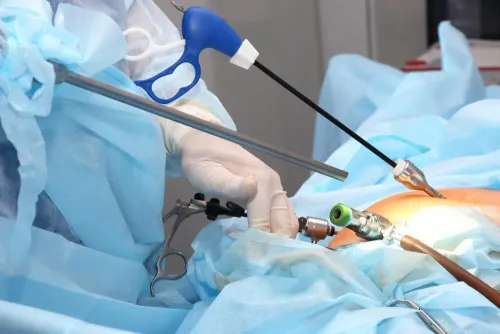

Your anesthesia plan begins before you enter the operating room and continues through recovery, pain control and discharge instructions. You will learn what to disclose, how fasting and monitoring work, what each anesthesia technique feels like, and which questions to ask when comparing care.
Key takeaways
- Complete a pre-anaesthesia assessment before the operation.
- Tell the anaesthetist about every medicine, allergy and previous anesthesia problem.
- Ask which technique fits your operation and what recovery monitoring includes.
- Compare trained anaesthesia teams, emergency support and post-operative monitoring.
What happens before anesthesia starts
Anesthesia for before, during and after surgery in Badlapur starts with a pre-anaesthesia assessment, not with an injection in the operating room. The anaesthetist reviews your operation, previous anesthetics, allergies, medical conditions, medicines, pregnancy possibility, smoking and alcohol use, and any earlier breathing or anesthesia problem.
Tell the team if you have sleep apnea, asthma, diabetes, heart, kidney or liver disease, loose teeth, a difficult intubation, or a reaction to an anesthetic. Bring the names and doses of prescription medicines, blood thinners, inhalers and herbal supplements.
- Follow the fasting instructions exactly. Your team will tell you when to stop solid food, milk and clear liquids; eating too close to anesthesia raises the risk of stomach contents entering your lungs.
- Ask which medicines to take with a small sip of water and which to stop. Do not stop insulin, blood thinners or blood-pressure medicine without specific instructions.
- Tell the anaesthetist if you could be pregnant. Pregnancy can change medicine choices and the timing of surgery.
- Complete requested blood tests, electrocardiogram or medical review before admission. Uncontrolled diabetes, infection, anemia or heart problems can require treatment before surgery.
- Stop smoking as early as possible, avoid alcohol, and arrange an adult to take you home and stay with you after day surgery.
The assessment may change the anesthetic plan, delay surgery for safer preparation, or identify the need for specialist support. This is why “surgery anesthesia Badlapur” should mean a documented assessment, not just drug administration.
Which anesthesia technique may be used for your operation
The anaesthetic technique depends on the operation, your health, and the level of awareness and pain control required. Regional or local anaesthesia may be combined with sedation or general anaesthesia when clinically appropriate.
| Option | What it means | When it applies |
|---|---|---|
| General anaesthesia | You are unconscious while the anaesthetist supports breathing and controls pain, blood pressure and other vital functions. | Major abdominal, chest, brain, joint or lengthy operations. |
| Regional anaesthesia | A spinal, epidural or nerve block numbs a large area while you remain awake or receive sedation. | Caesarean birth, lower-limb surgery, hernia repair and some orthopaedic procedures. |
| Local anaesthesia | Medicine numbs a small area; you stay awake and usually need no airway support. | Skin stitches, dental procedures, biopsies and minor lump removal. |
| Monitored sedation | Medicines make you relaxed or sleepy; you may respond to instructions, with local or regional anaesthesia treating pain. | Endoscopy, minor procedures and operations where full unconsciousness is unnecessary. |
Before starting, the anaesthetist reviews the operation, allergies, medicines, pregnancy possibility, sleep apnoea, heart or lung disease, diabetes, kidney or liver problems, alcohol or tobacco use, loose teeth, and previous difficult intubation or anaesthetic reaction. They confirm fasting and decide which medicines to continue or stop.
During the procedure, the anaesthetist gives and adjusts drugs, maintains the airway, and continuously monitors oxygen level, breathing, pulse, blood pressure and consciousness. They treat pain, nausea, bleeding or circulation changes and remain responsible for safe recovery planning. If you search for anaesthetist badlapur, ask who will provide this assessment and monitoring.
What happens in the operating room
On arrival in the operating room, the team confirms your identity, planned surgery, consent, allergies, procedure and surgical site before anesthesia or incision. They review airway concerns, expected blood loss and equipment, then complete a team time-out to prevent wrong-site surgery and unanticipated emergencies.
The anesthesia clinician connects monitors and manages your physiological functions throughout the operation:
- Oxygen saturation with a pulse oximeter
- Heart rhythm and rate with an electrocardiogram
- Blood pressure at repeated intervals, or continuously through an arterial line for major or unstable cases
- Breathing, exhaled carbon dioxide and airway pressure during sedation or general anesthesia
- Temperature, urine output, fluids, blood loss and blood replacement when indicated
Anesthesia is adjusted to the operation and your response. The anaesthetist maintains the airway, gives oxygen and anesthetic medicines, treats changes in blood pressure or heart rate, and manages pain, nausea, allergic reactions or difficult breathing. With regional or local anesthesia, you may remain awake or receive sedation, but monitoring continues.
Before leaving the operating room, the team checks instrument and swab counts, labels specimens, controls bleeding and records the postoperative plan. “Surgery finished” does not mean anesthetic effects have ended. If comparing surgery anesthesia in Badlapur, ask who will provide these checks and what monitored recovery support follows.
What recovery includes after anesthesia
After anesthesia, remain in the recovery area until breathing, oxygen level, circulation, alertness, pain and nausea are controlled. Drowsiness, dizziness, shivering, sore throat, dry mouth and brief confusion can occur. Effects may last into the day, so do not drive, drink alcohol, make legal decisions or stay alone when discharge instructions require supervision.
Pain treatment depends on the operation and your health. The team may combine paracetamol, an anti-inflammatory if safe, a local anesthetic or nerve block, and an opioid for severe pain. Tell staff if pain remains severe. Nausea is treated with anti-sickness medicine, fluids, slow position changes and small sips when permitted.
| Symptom | What it may mean | What to do after discharge |
|---|---|---|
| Mild sore throat, tiredness or nausea | Common short-term effect | Rest and follow medicine and fluid instructions |
| Pain not controlled by the prescribed plan | A complication or inadequate treatment | Call the surgical team promptly |
| Trouble breathing, blue lips, fainting or inability to wake | Breathing or circulation emergency | Call emergency services immediately |
| Chest pain, new weakness, confusion or seizure | Possible serious cardiovascular or neurological problem | Call emergency services immediately |
| Repeated vomiting, vomiting blood, facial swelling or widespread rash | Dehydration, bleeding or allergic reaction | Seek urgent medical care |
Before leaving, confirm whom to call at night and where emergency care is available. Anesthesia for care before, during and after surgery in Badlapur should include a clear recovery plan, not just operating-room medicines.
How to compare anesthesia services in Badlapur
A search result for anesthesia services badlapur does not prove who will assess you or where you will recover. Ask whether a qualified anaesthetist personally reviews your medical history, medicines, allergies, airway, fasting instructions, pregnancy possibility and previous anesthesia problems before consenting.
When comparing Aurindam Hospital with another facility, ask both for the same details rather than assuming “surgery anesthesia badlapur” includes them.
| Area | Ask before booking | What a clear answer includes |
|---|---|---|
| Assessment | Who examines me, and when? | A named anaesthetist reviews your conditions, medicines and airway before surgery. |
| Monitoring | What is monitored continuously? | Pulse oximetry, blood pressure, ECG, ventilation with capnography when indicated, temperature and fluid or blood loss. |
| Recovery | Where do I go after surgery? | A post-anaesthesia care unit with staff checking breathing, oxygenation, circulation, consciousness, pain and nausea. |
| Emergency support | Who manages a sudden airway, breathing or blood-pressure problem? | An anaesthetist and trained emergency team, resuscitation equipment and critical-care access. |
| Transfer | What happens if I need higher-level care? | A documented ambulance and receiving-hospital plan, with a named person coordinating transfer and clinical handover. |
- Ask whether postoperative pain and nausea treatment is available after discharge from recovery, not only inside the operating room.
- Treat “an anaesthetist Badlapur is available” as incomplete until the facility confirms assessment, recovery staffing and transfer arrangements in writing.
Related service
Anesthesia Anesthesia Anesthesia is a medical treatment used to prevent pain during surgery and other medical procedures. |
Frequently asked questions
What happens before anesthesia starts?
The anaesthetist reviews your operation, medical history, previous anesthetics, allergies, medicines, pregnancy possibility, smoking, alcohol use and breathing problems. You also receive fasting and medication instructions.
Which anesthesia technique may be used for your operation?
Your anaesthetist may recommend local anesthesia, regional anesthesia, sedation or general anesthesia based on the operation, your health and the expected pain and movement involved.
What happens in the operating room?
The team confirms your identity and procedure, places monitoring equipment, gives the planned anesthetic and continuously checks breathing, blood pressure, heart rate and oxygen levels.
What does recovery include after anesthesia?
A recovery team monitors your breathing, oxygen level, blood pressure, pain, nausea, alertness and surgical wound before deciding when you can leave the recovery area.
How can you compare anesthesia services in Badlapur?
Ask who provides anesthesia, what monitoring is used, how emergencies are handled, whether recovery observation is available and how you can contact the team about problems after discharge.
Keywords